


Right Assessment, Right Growth
Development Assessment – Dr. Mangal’s Speciality Clinic
Development Assessment is a detailed evaluation of a child’s physical, cognitive, language, social, and emotional growth to ensure they are progressing according to age-appropriate milestones. It helps identify strengths, delays, or areas needing support at an early stage. By assessing abilities such as movement, communication, learning skills, behavior, and social interaction, healthcare professionals can detect concerns early and recommend timely intervention. Development assessment plays a crucial role in promoting healthy growth, improving learning outcomes, and guiding parents with the right support for their child’s overall development
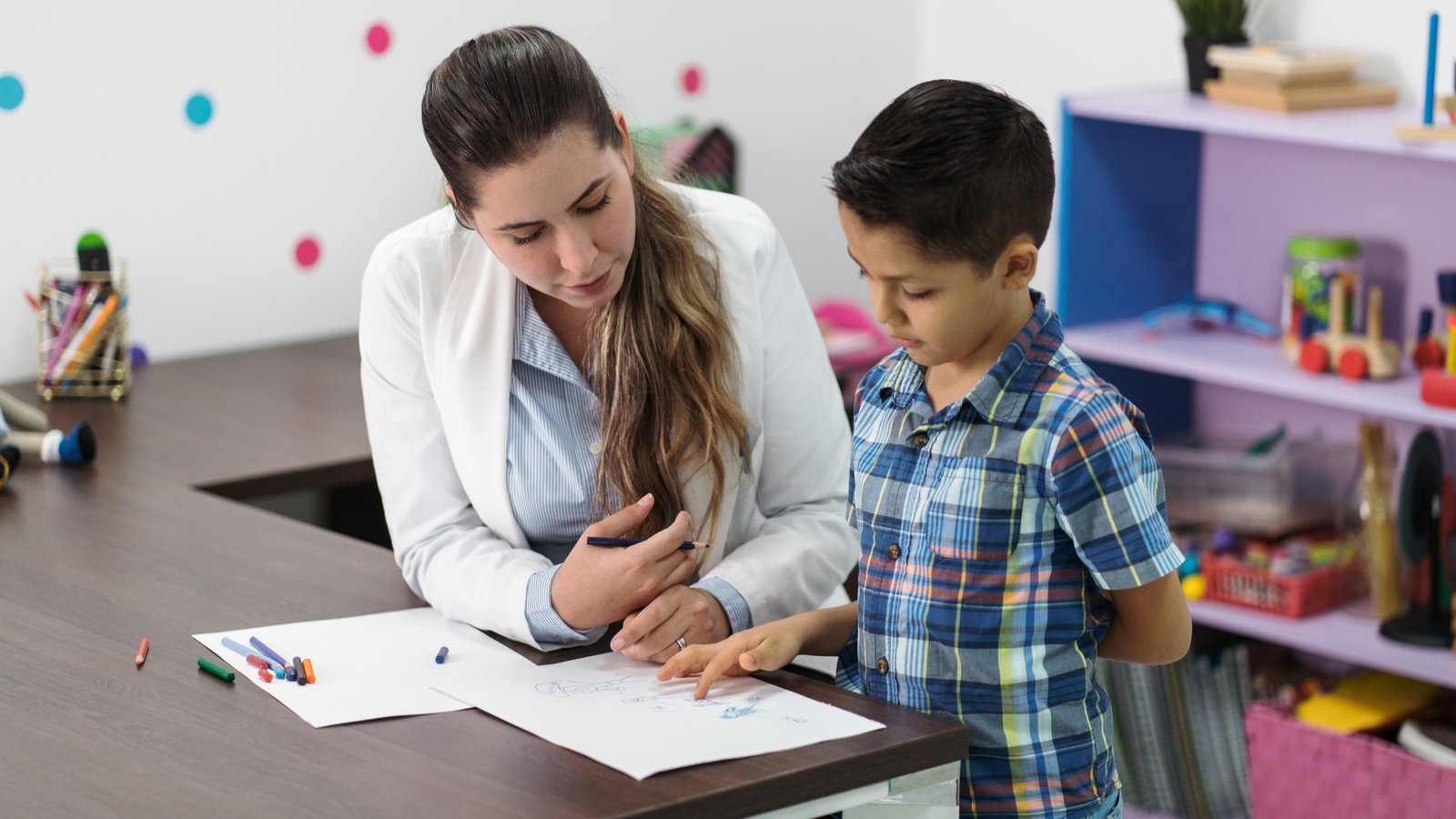
Effective Approaches for Development Assessment
- Comprehensive Observation – Carefully observing the child’s behaviour, movement, interaction, and communication in natural settings to understand their developmental level
- Parent & Caregiver Interviews – Engaging parents to gather information about the child’s habits, milestones, routines, and any concerns they have noticed at home
- Physical & Neurological Examination – Assessing muscle strength, reflexes, coordination, and sensory responses to detect any underlying medical or developmental issues
- Multi-Disciplinary Evaluation –Involving specialists such as paediatricians, physiotherapists, speech therapists, occupational therapists, and psychologists for a complete assessment when needed
- Follow-Up Monitoring – Regular follow-ups to track progress, review improvement, and adjust the developmental plan as the child grows
Importance of Development Assessment
- Identifies developmental delays early, allowing timely intervention and better outcomes
- Ensures children meet age-appropriate milestones in motor, language, cognitive, and social skills
- Helps detect underlying medical, neurological, or behavioural concerns that may affect growth
- Guides parents with accurate information about their child’s strengths and areas needing support
- Improves learning and school readiness by identifying learning difficulties early
- Supports emotional and social well-being, helping children build confidence and healthy interactions
- Prevents long-term complications by addressing issues during early childhood